
Pelaa nettipokeria

Näillä sivuilla opit lyhyen kurssin nettipokerista ja halutessasi myös muista jännittävistä kasinopeleistä. Elämä ei ole enää samanlaista, kun kerran opit voittamaan pokerissa.
Älä häviä nettipokerissa!
Jos jonkinlaisen neuvon voimme nettipokeriin antaa - ja mehän voimme - neuvo on seuraava: mitä tahansa teet, älä häviä.
No ei kai. Aina tulee joskus turpaan. Vaikka nettipokerissa voittamisen todennäköisyyksiä voi parantaa huomattavasti tietämällä mitä on tekemässä, varianssi -niminen ilmiö varmistaa ettet voita jatkuvasti. Jos olet oikein huono, nettikasinolla voittaisit todennäköisemmin, vaikka sielläkin häviät takuuvarmasti.
Kultaryntäys nettikasinolle?
Nettipokeri oli joskus suosittua. Enää se ei sitä ole. Nettikasinot ovat ajaneet ohi. Noin vuosina 2006-2009 oli pokeribuumi, jolloin kaikki kynnelle kykenevät aloittivat nettipokerin harrastamisen. Pokeriverkkoihin ilmestyi valtava määrä aloittelijoita, joilla oli rahaa. Kokeneemmat pelaajat sitten harjasivat näitä valaiksi kutsuttuja amatöörejä eroon kovalla työllä ansaitusta rahasta.
Nykyisin homma on paljon hankalampaa. Nettipokeri ei juuri kiinnosta ketään, vaan hedelmäpelit, ruletti, videopokeri ja muut pelikoneet - jopa bingo - ovat netissä suositumpia uhkapelejä kuin pokeri.
Se tarkoittaa, että voit heittää hyvästit helpolle rahalle jo ennen kuin aloitat haaveilemisen. Hauska harrastus nettipokeri on silti! Ei muuta kun pelaamaan!
Johdanto korttipeleistä jaloimpaan

Pokeriksi kutsutaan korttipelejä, joissa pelaajat tavoittelevat panoksistaan koostuvaa yhteispottia. Voittaja on pelaaja, jolla on paras yhdistelmä kortteja. Arvot määritellään pelin säännöissä.
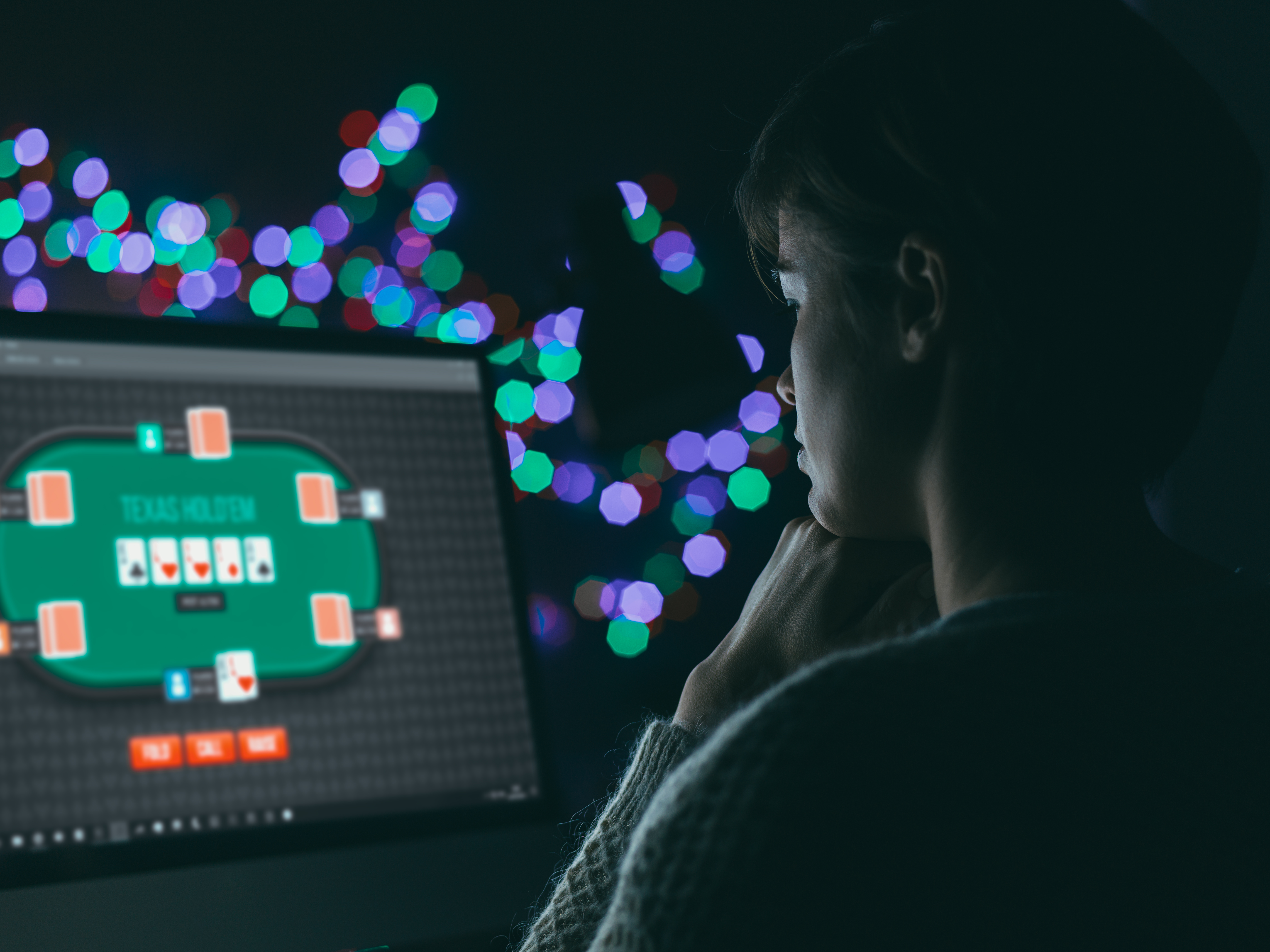
Nykyään pokeria pelataan yhä useammin verkossa - vuorokauden kaikkina tunteina. Nettipokeria pelaa isoimmilla ja suosituimmilla sivustoilla vähintään tuhansia pelaajia mihin kellonaikaan tahansa. Nettipokeria tarjoavia sivustoja on sekä suomalaisia että ulkomaalaisia.
Tervetuloa lukemaan lyhyt johdatus sekä videopokeriin mutta erityisesti "oikeaan pokeriin" tältä sivulta. Käymme läpi pokerin säännöt (sekä Omaha että Texas Hold'em), saat lyhyen johdatuksen pokeristrategioihin ja opit pokeriturnauksista. Tai voit keskittyä viihteellisempään casinopeliin eli videopokeriin, joita pelataan netin peliautomaateissa. Tuoreimpana tulokkaana esittelemme viihdyttävän tavan lyödä vetoa virtuaalitodellisuudesta. Löydät sen kohdasta eSports.
Muut kasinopelit
Jos pokeri alkaa tylsistyttää, muiden uhkapelien määrä on onneksi rajaton. Kasinopeleihin lukeutuvat kaikille tutut blackjack, ruletti, baccarat, bingo ja jopa lotto. Ylivoimainen enemmistö on kuitenkin valinnut suosikikseen kolikkopelit, joita netticasinot tarjoavat satamäärin - parhaimmat jopa tuhansittain. Oli valintasi sitten mikä tahansa näistä, pääset alkuun kaikkein sutjakkaimmin, kun katsot, mistä saat tuottoisimmat casinobonukset ja lunastat itsellesi ilmaista rahaa pelaamiseen.
Suurin syy, miksi kasinobonus kannattaa ehdottomasti ottaa käyttöön mikäli tulet nettipokerin maailmasta viihteellisempien kasinopelien puolelle, on se, että kasinobonus mahdollistaa uhkapelien pelaamisen käyttämättä pelkästään omaa rahaa. Riippuen tarjouksesta, yleensä laitat sisään 100-200 euroa omaa rahaa ja saat vähintään toisen samanlaisen pelitilillesi. Monet casinobonukset ovat vielä suurempia, mutta muista lukea (erityisesti valtavien bonusten kohdalla) bonusehdot, jotka rajoittavat pelirahan käyttämistä.
Kasinopelit sopivat kaikille. Niissä häviäminen on helppoa. Pokerissa häviävät ainoastaan ne, jotka eivät osaa pelata - tai ne, joilta loppuu peliraha kesken.
Muista strategia käteispeleissä
Nettipokeria pelataan kahdella tavalla. Pelaamisen tavat ovat käteispeli ja turnaukset. Käteispelissä kaikki panokset ovat juuri sen verran rahaa, kuin ovat panoksetkin. Esimerkiksi jos joku pelaajista korottaa kymmenellä eurolla, hän todella laittaa peliin kymmenen euroa. Käteispeleissä pokeristrategiat nousevat arvoon arvaamattomaan.
Nettipokerin turnauksissa puolestaan on kyse sisäänostosta. Pelaajat saavat esimerkiksi kymmentä euroa vastaan tietyn määrän pelimerkkejä. Turnauksessa pelataan niin kauan, kunnes yksi pelaaja on saanut haltuunsa ja kerännyt itselleen kaikki pelimerkit. Sisäänostoon menneet rahat jaetaan parhaiten pärjänneiden pelaajien kesken.
Pokeriturnaukset sopivat aloittelijalle
Käteispelin ja turnauksen ero on tuntuva. Pokeriturnauksessa voi hävitä vain sisäänoston verran, minkä vuoksi turnaus on käteispeliä turvallisempi tapa pelata nettipokeria.
- Turnaus antaa vastinetta myös aloittelijan rahoille, eikä kaikkia pelimerkkejäkään voi turnauksessa käytännössä kovin nopeasti hävitä.
- Kokeneemmat pelaajat voivat valita käteispelin, jos tahtoa riittää ja kantti kestää. Voitot ovat isoimmilla sivustoilla huomattavia, mutta niin ovat myös tappiot. Riski ylipäätään on käteispeli tuntuvasti isompi.
Verkko on pokerihuoneita pullollaan. Etenkin aloittelijan kannattaa kiinnittää huomiota sivuston turvallisuuteen, helppokäyttöisyyteen ja asiakaspalveluun. Useimmilla sivustoilla pelataan Texas hold’em -pokeria.
Videopokeri - kasinoiden versio pokerista
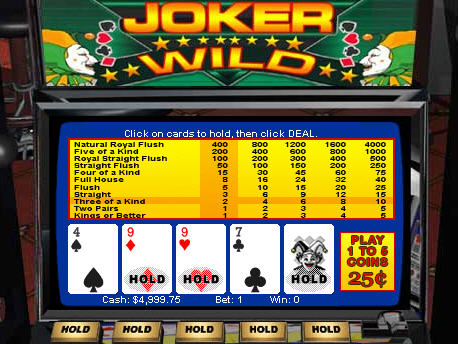
Lienee kuitenkin selvää, että tietyt nettikasinot tarjoavat paremman valikoiman videopokeria kuin toiset. Lähinnä ne kasinot, jotka suuntaavat kasinopelit suomalaisille pelaajille.